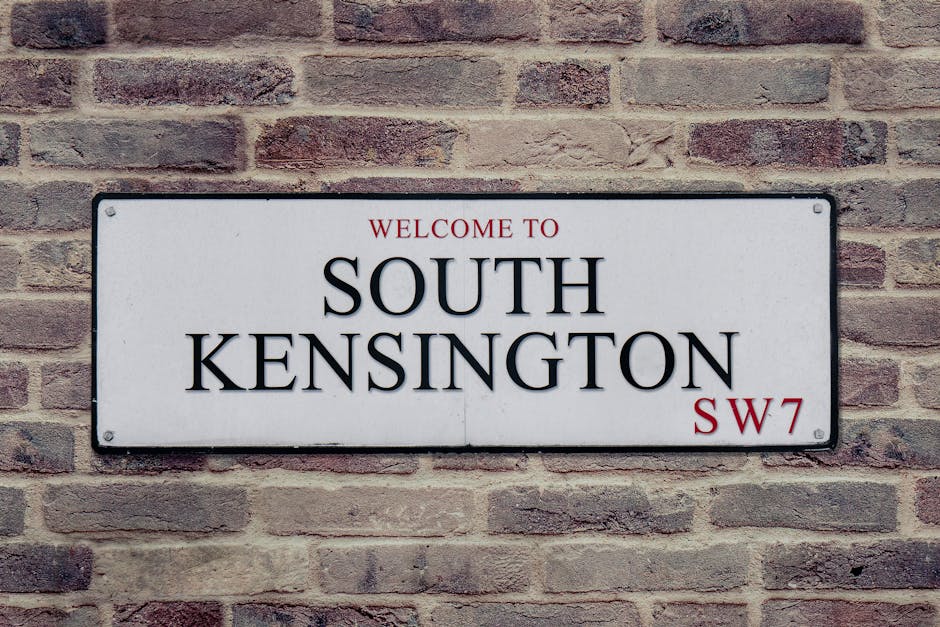
South Kensington station flat cleaning Brompton: a practical guide for busy London flats
If you live near South Kensington station, you already know the rhythm of the area: people coming and going, stairwells that seem to collect dust overnight, and flats that need to look smart even when life is a bit chaotic. South Kensington station flat cleaning Brompton is really about keeping a home presentable, healthy, and manageable in a high-footfall part of London. Whether you need a one-off reset, a regular domestic clean, or help before guests arrive, the right approach saves time and avoids a lot of stress.
This guide explains what the service involves, who it suits, how to plan it properly, and what to watch out for. You will also find a checklist, a comparison table, and practical guidance that feels grounded in real-life flat living. No fluff. Just the stuff that helps.
For readers comparing services, it can also be useful to explore the wider range of options offered by a professional cleaning company, especially if your flat needs more than a quick surface tidy.
Table of Contents
- Why South Kensington station flat cleaning Brompton Matters
- How South Kensington station flat cleaning Brompton Works
- Key Benefits and Practical Advantages
- Who This Is For and When It Makes Sense
- Step-by-Step Guidance
- Expert Tips for Better Results
- Common Mistakes to Avoid
- Tools, Resources and Recommendations
- Law, Compliance, Standards, or Best Practice
- Options, Methods, or Comparison Table
- Case Study or Real-World Example
- Practical Checklist
- Conclusion
- Frequently Asked Questions
Why South Kensington station flat cleaning Brompton Matters
South Kensington flats often sit at the intersection of convenience and complexity. You may have a compact layout, shared access areas, older finishes, or a steady stream of daily dirt brought in from outside. That does not mean the cleaning has to become a major project every week. It does mean a smart system matters.
In practice, flats near a busy station pick up more of the small stuff: fine dust, scuffs, kitchen grease, limescale, bathroom residue, and general build-up around handles, switches, and skirting boards. Add in small rooms and limited storage, and clutter can make a place feel messy very quickly. To be fair, even one overlooked corner can throw off the whole space.
There is also the human side. A well-cleaned flat feels calmer when you walk in after a long day. The sink does not glare at you. The sofa smells fresher. The bedroom feels like somewhere you can actually switch off. That is not a luxury; it is part of living well in a dense part of London.
If your property needs a deeper refresh rather than a standard tidy-up, a deep cleaning service is often the better fit because it reaches the hidden grime that ordinary routines tend to miss.
How South Kensington station flat cleaning Brompton Works
The process is usually more straightforward than people expect. A good clean starts with understanding the flat, the surfaces, and the level of build-up. Then the cleaner works from top to bottom and room to room, so dirt is not moved around and cleaned twice. Simple idea, but it makes a real difference.
Most flat cleaning jobs begin with a short assessment. That might include the number of rooms, whether the property is furnished, the condition of the kitchen and bathroom, and any items that need special care. For example, a hard floor with marks will need different attention from laminate or stone. Likewise, an oven caked in residue is its own beast. Anyone who has tried to scrub one at 9pm on a Tuesday knows the feeling.
A typical clean may include:
- dusting and wiping accessible surfaces
- sanitising touchpoints like switches, handles, and rails
- kitchen cleaning, including splash-prone areas
- bathroom descaling and polishing
- vacuuming and mopping floors
- spot cleaning of skirting, doors, and frames
- careful attention to high-use areas such as hallways and living rooms
For more regular upkeep, many residents combine occasional thorough cleans with ongoing support from domestic cleaning or a trusted team of cleaners, especially when work schedules make consistency hard to maintain.
The practical point is this: the best results come from matching the method to the flat. A studio with one bathroom is not the same as a period conversion with high ceilings, heavy furnishings, and more delicate finishes.
Key Benefits and Practical Advantages
Flat cleaning near South Kensington station is not only about appearances. Yes, it helps your home look better, but the real value is broader than that.
1. Better day-to-day comfort
A clean flat feels easier to live in. You notice it in the morning when the kitchen is clear, and again at night when the bedroom is not carrying the week on its shoulders. Small space, big effect.
2. Less time spent on repetitive chores
Many people in Brompton and the surrounding area have packed schedules. Commuting, work, errands, family, and everything else do not leave much room for a proper clean. Professional help gives you time back. That part is obvious, but it is still worth saying.
3. More consistent standards
When cleaning becomes rushed, some jobs get skipped. Floors are done but taps are not. The kitchen looks fine until daylight hits it. A structured service is usually more consistent because it follows a method rather than a mood.
4. Better results in awkward spaces
Small London flats often have fiddly corners, built-in storage, narrow bathrooms, and awkward under-bed or behind-sofa spaces. These are exactly the places that gather dust and crumbs. A methodical clean handles them far better than a quick surface wipe.
5. Reduced wear and tear
Regular maintenance can help surfaces stay in better condition for longer. Dirt left to sit tends to become harder to remove. On carpets, fabrics, and hard floors, that is the difference between a simple clean and a much more intensive fix later.
If your flat has carpets, rugs, or soft furnishings, it may also be worth combining your booking with carpet cleaning, rug cleaning, or upholstery cleaning for a more complete result.
Expert summary: For busy flats near South Kensington station, the best cleaning plan is usually the one that balances speed, detail, and regular upkeep. One-off fixes help, but systems win.
Who This Is For and When It Makes Sense
This kind of cleaning suits a wide range of people, and not just tenants at the end of a lease.
It makes sense if you are:
- a tenant wanting the flat to stay fresh and manageable
- a landlord preparing a property for viewings or new occupants
- a homeowner or long-term resident who needs a reset
- a professional with little time to keep up with detailed chores
- someone recovering from building work, decorating, or a busy hosting period
- a person moving in and wanting to start with a genuinely clean space
It is also a sensible choice if your flat has become a bit patchy rather than truly dirty. You know the sort of thing: the place looks fine until the sunlight hits the windows, or you notice the bathroom mirror has somehow developed a film. Happens to everyone.
If you are leaving a rental, an end of tenancy cleaning service can be especially useful because it focuses on the kind of detail landlords and letting expectations usually look for.
For shorter resets after a busy week, social event, or family visit, one-off cleaning is often the best match. It is the practical middle ground between doing everything yourself and booking a full specialist service you may not need.
Step-by-Step Guidance
Here is a sensible way to approach South Kensington station flat cleaning Brompton without overcomplicating it.
Step 1: Walk through the flat room by room
Look at what actually needs attention. Do not just think "everything". That is how cleaning jobs become overwhelming. Note the kitchen, bathroom, floors, windows, soft furnishings, and any stubborn marks.
Step 2: Decide whether you need maintenance or a deeper reset
If surfaces are mostly under control, regular domestic cleaning may be enough. If grime has built up, if the oven smells, if the bathroom needs descaling, or if the flat has not had a proper reset in months, then a deeper service makes more sense.
Step 3: Prioritise high-touch zones
In compact flats, the most used surfaces should go first. Think handles, switches, taps, kitchen counters, sink rims, bathroom fittings, and the space around the hob. These areas affect both hygiene and the overall look of the home.
Step 4: Remove clutter before the clean begins
Cleaning around clutter slows everything down. Clear worktops, gather loose items, and put away what you can. It is a small effort for a very visible payoff.
Step 5: Tackle the kitchen and bathroom with care
These rooms tend to show build-up fastest. Grease in the kitchen and limescale in the bathroom need different methods. If the oven is a problem area, consider professional oven cleaning rather than trying to win a long, slightly miserable battle on your own.
Step 6: Finish with floors and final checks
Once surfaces are done, vacuum and mop. Then do a final walk-through in daylight if you can. A clean that looks fine in the evening can reveal missed spots in the morning, and vice versa.
For ongoing upkeep, many households also use home cleaners when regular support is more practical than occasional big jobs.
Expert Tips for Better Results
These are the little things that often separate a decent clean from one that really holds up.
- Work from top to bottom. Dust falls. Always. Clean higher surfaces before lower ones, or you will end up redoing things.
- Use separate cloths for kitchen and bathroom. It sounds basic, but mixing them up is a common mistake and not a pleasant one.
- Do not over-wet delicate surfaces. Period flats often have finishes that dislike too much moisture. Light, careful cleaning is safer.
- Let products sit where needed. Bathroom limescale and oven residue usually respond better when given a little dwell time. Rushing rarely helps.
- Pay attention to edges and corners. That line where a floor meets a skirting board? Dirt loves it there.
- Open windows briefly when possible. Fresh air helps a flat feel genuinely clean, not just wiped over.
A small aside: if you can smell only lemon spray and panic, the job was probably not finished. Slightly unfair, maybe, but true.
For specialist surfaces, the right method matters. A hard floor cleaning approach differs from carpet care, and fabrics benefit from the right treatment rather than whatever is nearest under the sink.
Common Mistakes to Avoid
Most flat cleaning issues are not dramatic. They are just avoidable.
1. Starting with the wrong room
If you start in the dirtiest space without a plan, you can spread mess around. It is better to map the job first.
2. Ignoring hidden areas
Behind the toilet, under the sofa, around the bed frame, behind radiators - these places matter more than people think. Dust does not disappear because you stop looking at it.
3. Using one product for everything
Different surfaces need different care. What works on a glass hob might not be safe on stone, wood, or textured surfaces.
4. Forgetting final details
Light switches, door handles, taps, mirror edges, and bin lids are tiny details, but they are the ones people touch constantly. Miss them and the whole place feels half-done.
5. Booking the wrong type of service
A standard tidy-up is not the same as a deep clean. Likewise, after renovations, you may need after builders cleaning to deal with fine dust and residue rather than just routine dirt.
6. Leaving booking decisions too late
If you need a clean before a move, inspection, or event, do not leave it to the last minute. The best services tend to get booked, especially around busy times of day or the end of the month.
Tools, Resources and Recommendations
For most flats, a practical toolkit is enough. You do not need a cupboard full of specialist products. In fact, too many products can make the job harder, not easier.
Useful basics
- microfibre cloths for dust and polish
- a vacuum with attachments for corners and upholstery
- a mop suited to your floor type
- non-abrasive sponges
- glass-safe cleaner for mirrors and windows
- bathroom descaler used carefully and sparingly
- an oven cleaner only where suitable, and with proper ventilation
When to bring in specialist help
Some jobs are simply more efficient when handled professionally. Stained sofas, tired carpets, marked curtains, greasy ovens, and streaky windows often look better after proper treatment. If that sounds familiar, services such as sofa cleaning and window cleaning can take a lot of pressure off your weekly routine.
For recurring housekeeping, a structured approach using house cleaning or more general cleaning company support can be easier to maintain than random ad hoc fixes. Truth be told, consistency usually beats intensity.
Law, Compliance, Standards, or Best Practice
For most residential cleaning in London, the main concerns are practical rather than legal, but good providers still work to clear standards. That means being careful with access, respecting the property, handling products safely, and communicating clearly about scope.
If you are hiring a cleaner for a flat, a few sensible best-practice points apply:
- confirm what rooms and tasks are included
- check whether fragile items should be moved in advance
- ask how equipment and products are handled
- make sure access arrangements are clear, especially in buildings with shared entry
- understand what happens if something is damaged or if a task cannot be completed safely
It is also wise to use a provider that treats safety and trust seriously. Reading pages such as the health and safety policy, insurance and safety, and payment and security information can give you a better sense of how a company operates. That is not being picky; it is just common sense.
If environmental choices matter to you, it may also be useful to look at recycling and sustainability practices, especially if your flat produces a lot of packaging or waste from moving, decluttering, or renovations.
Options, Methods, or Comparison Table
Different flats need different levels of support. This comparison should help you choose the most practical route.
| Option | Best for | Typical focus | Good to know |
|---|---|---|---|
| Regular domestic cleaning | Busy homes needing ongoing upkeep | General tidying, dusting, floors, kitchens, bathrooms | Best when the flat is broadly maintained and you want consistency |
| One-off cleaning | Periodic resets | Deeper surface cleaning, neglected areas, fresh start jobs | Ideal after travel, guests, or a particularly hectic spell |
| Deep cleaning | Built-up grime or first-time refreshes | Detailed attention to hidden dirt, fixtures, edges, and awkward spaces | Usually better when the flat needs more than maintenance |
| End of tenancy cleaning | Moving out | Detailed property clean for handover standards | Useful for tenants and landlords alike |
| Specialist add-ons | Specific problem areas | Carpets, rugs, sofas, ovens, windows, floors | Mix and match based on the flat's condition |
If you are not sure which route fits, start by asking one question: does the flat need maintenance, or does it need recovery? That sounds dramatic, but it is often the cleanest way to decide.
Case Study or Real-World Example
A typical example is a one-bedroom flat a short walk from South Kensington station. The resident works long hours, travels across London a few times a week, and keeps the place generally tidy but not deeply cleaned. Over time, the kitchen splashback gets dull, the bathroom mirror loses clarity, and the sofa starts to hold onto everyday smells from cooking and traffic coming in through open windows.
Instead of trying to tackle everything in one exhausting weekend, the resident books a proper clean, clears counters beforehand, and asks for extra focus on the kitchen, bathroom, and soft furnishings. The cleaner works through the flat in a sensible order, finishes with floors and touchpoints, and uses the time more efficiently because clutter has already been removed.
The result is not just that the flat looks better. It feels lighter. The place smells fresher. The surfaces stop looking tired. And, perhaps most importantly, the resident can keep it that way with much less effort afterward. That is the real win.
In homes like this, pairing standard upkeep with occasional specialist help from carpet cleaning support or other targeted services can keep the whole property under control without turning life into a cleaning project.
Practical Checklist
Use this before a booked clean or before you start yourself.
- Clear visible clutter from surfaces and floors
- Put away valuables and fragile items
- Check which rooms need the most attention
- Note any stains, marks, or damaged surfaces
- Make sure the cleaner can access water and electricity if needed
- Close windows and secure pets
- Separate items you do not want moved
- Decide whether you need add-on services
- Confirm any access instructions for the building
- Do a final look through once the work is complete
Quick takeaway: the better prepared the flat is, the more cleaning time goes into actual cleaning rather than moving things around. Small difference, big result.
If you are comparing providers, it is sensible to review service information and company details such as about us, pricing and quotes, and terms and conditions so you know what to expect before booking.
Conclusion
South Kensington station flat cleaning Brompton is really about making urban flat living feel easier, calmer, and more controlled. A good clean does more than make things shiny. It helps you keep on top of a space that can otherwise feel busy, compact, and always one step away from clutter.
The best approach is usually simple: choose the right level of service, prepare the space well, focus on high-use areas, and use specialist help when a room or surface needs more than a quick wipe. That mix keeps the flat presentable without turning your week upside down.
And if you are on the fence, that is normal. Most people are not looking for perfection. They just want to come home to a place that feels right. Fair enough, really.
Get a free quote today and see how much you can save.
When the dust settles, a well-kept flat gives you a quieter kind of confidence. That is worth a lot.
Frequently Asked Questions
What does South Kensington station flat cleaning Brompton usually include?
It normally covers dusting, wiping surfaces, kitchen and bathroom cleaning, vacuuming, mopping, and attention to high-touch areas. Some bookings also include extras such as carpets, ovens, or windows if needed.
Is this the same as a deep clean?
Not always. A standard flat clean is usually about maintenance, while deep cleaning goes further into built-up dirt, edges, fixtures, and overlooked areas. If the flat has been neglected for a while, deep cleaning is often the better choice.
How often should a flat near South Kensington station be cleaned?
That depends on how you live, how many people use the space, and whether you work from home. Busy households often need more frequent upkeep than a single occupant with a tidy routine.
Can I book cleaning for a furnished flat?
Yes, furnished flats are very common. The main thing is to say what furniture is present and whether any items need special care. Sofas, rugs, and carpets may need targeted cleaning too.
What should I do before the cleaners arrive?
It helps to remove clutter, put away valuables, and note any problem areas. The more visible the surfaces, the more efficient the clean tends to be. Nothing fancy, just practical prep.
Do I need end of tenancy cleaning when moving out?
If you are leaving a rental, end of tenancy cleaning is often the most suitable option because it is designed for handover standards. It can help make sure the property is left in a proper condition.
Is oven cleaning worth adding on?
If the oven has grease build-up, smells, or baked-on residue, yes. Oven cleaning is one of those jobs that takes more time and effort than people expect, and the result is usually very noticeable.
What if my flat has carpets and upholstery?
Then it may be worth pairing the clean with carpet cleaning, rug cleaning, or upholstery cleaning. Soft furnishings can hold on to dust and odours even when the rest of the flat looks spotless.
How do I know if a cleaning provider is trustworthy?
Look for clear information about the company, pricing, safety, insurance, and complaints handling. Pages like complaints procedure and insurance and safety can help you understand how the business works.
Can cleaning help if I have just finished decorating or builders' work?
Yes. Fine dust and residue from works can linger everywhere, especially on ledges and floors. In those cases, after builders cleaning is often more appropriate than a routine clean.
What is the best cleaning option for a very small flat?
For small flats, one-off cleaning or domestic cleaning is often enough unless the space has heavy build-up. The right choice depends on how often the property is used and how much detail you need.
How do I choose between regular cleaning and a one-off service?
If the flat needs ongoing support, regular domestic cleaning usually makes more sense. If you only need a reset after a busy period, one-off cleaning is the easier, more flexible choice.
Do cleaning companies usually have sustainability information?
Some do, and it is a useful sign of a well-run business. If that matters to you, it is worth checking recycling and sustainability details alongside general service information.